Skip to content
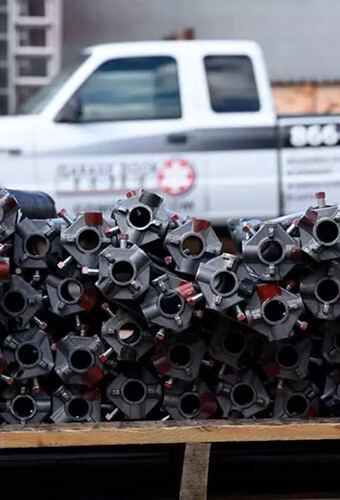
Stack of new garage door torsion springs with Garage Door Medics truck in background

Garage Door Spring Repair in San Diego & Southern California

Garage door springs rank among the most critical parts of a garage door system. A broken spring turns a door unsafe, hard to operate, or completely stuck. GD Medics handles garage door spring repair, replacement service across Southern California, restoring safe, reliable operation on short notice. Technicians diagnose the failure, replace damaged parts, rebalance the full system after service.

BOOK NOW
Garage Door Broken Spring

What are Garage Door Springs?

Why Garage Door Springs Matter

Garage door springs carry the weight of the door, allowing safe lifting, lowering during daily use. Most residential doors weigh 150 to 300 pounds; springs make that load manageable. A properly working spring lets a door open smoothly, stay balanced once raised partway. A failing spring affects the entire system, not the door alone. A heavy, uneven, or stuck door signals spring failure directly. A door running on a broken spring damages the opener, strains other parts, creates a safety risk.

How to Tell If a Garage Door Spring Is Broken

A garage door spring tends to break suddenly, producing a loud snapping or banging sound. 

Clear signs point to a failed or failing spring before total breakage occurs.

  • The door fails to open even though the opener runs. 
  • The door feels unusually heavy during manual lifting. 
  • The door opens unevenly, appearing crooked on one side. • The opener struggles or halts mid cycle. 
  • The door closes fast, slamming shut without warning. 
  • A loud bang comes from inside the garage. 
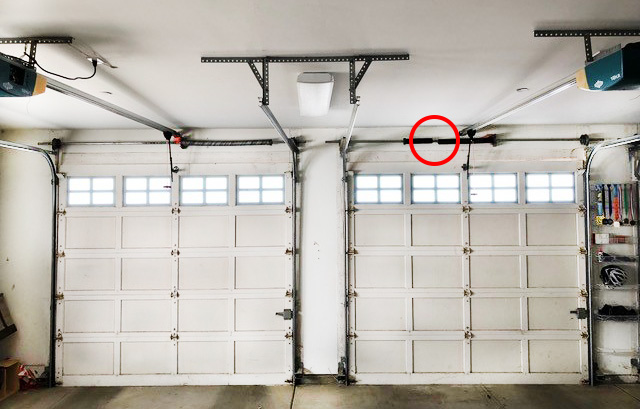
  • A visible gap appears in the torsion spring.

Noticing any sign calls for stopping door use immediately. Continued use causes further damage, raises injury risk, and may call for emergency garage door repair.

Garage Door Types Available

Torsion Springs Versus Extension Springs

Residential garage doors rely on one of two garage door spring systems.

Torsion springs:

Mounted horizontally above the door opening, the springs twist, store energy during door closing, release that energy to lift the door on opening. Torsion systems offer longer lifespan, smoother operation, better weight distribution across the door. Modern installations favor torsion springs. 

Extension springs:

Installed along the two door tracks, the springs stretch, contract during door movement, aiding lift, lowering. Extension springs cost less upfront, use a simpler structure, suit smaller or lighter doors. Extension springs wear faster, grow less stable without proper upkeep.


What Causes Garage Door Springs to Break

Garage door springs stay under constant tension, producing wear that ends in failure over time.

Normal wear

Springs carry a rating near 10,000 cycles, one cycle equaling one full open, close motion. Depending on usage, that lifespan arrives within 7 to 10 years. 

Metal fatigue

Repeated tension, release action weaken the metal steadily, ending in a snapped spring. 

Rust, corrosion

Moisture builds rust on spring coils, raising friction, lowering flexibility. That buildup speeds wear, raises failure odds. 

Temperature shifts

Cooler weather makes metal brittle, prone to snapping. 

Lack of upkeep

Skipped lubrication, inspection speeds spring wear, raises unexpected failure odds. Routine garage door maintenance slows each of these failure paths.


Why DIY Spring Repair Carries Risk

Garage door spring repair rarely suits a do it yourself project. Springs stay tightly wound, storing a large amount of energy under tension. Incorrect handling releases that energy suddenly, causing serious injury. Attempting repair or replacement without proper tools, training risks personal injury. Poor installation leads to imbalance, damage to the door system, added repair cost. Trained technicians handle high tension parts safely, complete the job correctly.

Garage Door Spring Repair Processditional raised panel

  • Inspecting the full system. Technicians check springs, cables, rollers, tracks first. That step identifies added wear, damage beyond the broken spring.
  • Securing the door. The door gets stabilized, preventing movement during repair.
  • Removing the broken spring safely. Remaining tension gets released carefully, the damaged spring comes out using specialized tools.
  • Installing the replacement spring. A correctly sized, quality spring goes in, matching the door’s weight, specifications.
  • Rebalancing the system. The new spring gets adjusted, ensuring smooth, balanced door operation.
  • Testing safety features. The door runs through multiple cycles, opener, sensor function gets verified.

Signs Pointing to Replacing the Second Spring

Garage doors commonly carry two springs mounted together. One spring breaking signals the second spring nearing failure too. Replacing the two springs together maintains proper balance across the door.

  • Maintaining balance: Even tension across two new springs keeps the door level during operation.
  • Preventing a second call: Replacing the near failing spring now avoids a repeat service visit soon after. 
  • Extending system lifespan: Fresh springs installed together wear evenly, lasting longer as a set. 
  • Keeping performance steady: Matched springs deliver consistent lifting power over time.

Preventing Future Spring Problems

Springs wear down over time, though routine upkeep extends lifespan, lowers failure risk.


  • Lubricating springs, moving parts on a set schedule. 
  • Scheduling yearly inspections catching early wear. 
  • Addressing minor issues early, before a full break happens. 
  • Avoiding added strain on the full door system. Worn rollers and cables caught early spare the springs added load.


Proactive upkeep keeps a garage door operating safely, at steady performance over time.

What GD Medics Provides

Choosing GD Medics to handle garage door spring repair delivers full service, not a quick patch job. Complete service ensures the full system works correctly after each visit.

  • Accurate diagnosis pinpointing the exact spring issue. 
  • Quality replacement springs matched to door weight. 
  • Proper installation, correct tensioning during setup. 
  • Full system balancing after the new spring goes in. 
  • Safety testing, performance checks before job completion.

Long term reliability stays the focus, not a temporary fix.


Garage Door Spring Repair FAQ

  • Torsion springs are mounted horizontally above the garage door and are the modern standard, offering more durability and a safer operation. Extension springs are located on either side of the door and stretch to open it. We recommend torsion springs for their longer lifespan and smoother performance.

  • You likely have a broken spring if you hear a loud bang from your garage, the door feels extremely heavy to lift manually, it opens only a few inches and stops, or you see a visible gap in the spring coils. For safety, do not attempt to operate the door and call a professional immediately.

  • Yes, replacing garage door springs is extremely dangerous and should only be performed by a trained professional. Springs are under immense tension and can cause severe injury or property damage if they are not handled correctly. Our certified technicians have the specialized tools and expertise to do the job safely.

  • Regular maintenance is the key to lengthening the life of your garage door springs. This means ensuring your springs are properly balanced, lubricated, and tightened. Without maintenance, your springs wear out more quickly and may require replacement in as few as eight years. However, with careful upkeep, you could get as many as fifteen years out of your heavy duty torsion spring.

    Garage Door Medics can perform annual maintenance on your entire garage door system in San Diego and in our other locations across the US. We perform a 25-point check that ensures the long term functionality of all your parts, especially springs. This ensures the balance of your springs and prevents unnecessary wear over time.

    With a quality spring replacement from Garage Door Medics, you can be confident that your garage door system will operate at its best. Within one appointment, either for garage door repair in San Diego or within normal hours, we can get your garage door up and running again. Following your repair, we will also check the remainder of your garage door parts to ensure the entire system is in working order. Contact us today to schedule your spring replacement!

    If you have more questions about why your garage door isn’t working or want to troubleshoot your issue, visit our FAQ page. There, you will find an extensive base of questions to help you solve any problem with your garage door.

  • Manufacturers measure all garage door parts by cycle. A cycle is one complete open and close of your garage door. Typically, springs are rated for 10-15,000 cycles of operation. This means the lifespan of your springs will depend on how often you use your garage door. This said, garage door springs tend to last between 8-12 years. However, you can increase their lifespan by maintaining your springs.

  • There are many reasons why your garage door won’t open, but commonly the issue will be with your springs. A broken garage door spring can cause your door not to open automatically or manually because it supports the door’s weight. If the spring can’t hold that weight to lift the door, you can’t operate it. In this case, you likely need a spring replacement for your garage door to function.

  • The cost of a spring replacement will vary depending on the type of spring you have and gauge of spring you need. Of course, larger and heavier doors require more heavy duty springs. On the other hand, 8-9 foot garage doors may only need a low gauge spring replacement. In order to get a more accurate price for your spring issue, you can contact us now and we will provide you with an estimate for a spring replacement in your home.

  • Yes, we do dozens of these each week and have certified and trained Technicians ready to help you with your garage door spring issues.  We will provide you with an upfront estimate to replace your springs before we start any work. Contact us at the location closest to you for same-day or next day service!


  • A standard garage door spring replacement typically takes our technicians 30 to 60 minutes to complete. This includes removing the broken spring, installing the new one, and ensuring the garage door is properly balanced and tested for safe operation.

  • Yes, we strongly recommend replacing both springs at the same time. Garage door springs have a similar lifespan, so if one breaks, the other is likely to fail soon after. Replacing both ensures your door remains balanced, prevents extra strain on the new spring, and saves you money on a future service call.

Schedule Garage Door Spring Repair Today

A broken garage door spring stays a problem worth addressing right away. Safety, functionality, reliability across the full door system depend on working springs. Contacting GD Medics starts fast, professional garage door spring repair service across Southern California, including San Diego and surrounding communities. Experienced technicians restore doors to safe, dependable operation on short notice. Scheduling service today gets a garage door back to steady operation.

Areas We Serve

We’re here to bring fast, reliable garage door service to homeowners and businesses in the communities we proudly serve.

contact us for a free quote

Our Locations