Garage Door Maintenance in San Diego & Southern California
Your garage door is one of the hardest-working systems in your home. Most homeowners use it multiple times every day, yet it’s often overlooked until something breaks. Regular garage door maintenance helps prevent unexpected breakdowns, extends the lifespan of your system, and ensures your door continues operating safely and efficiently.
At GD Medics, we provide professional garage door maintenance services throughout Southern California. Whether you want a one-time tune-up or ongoing preventative maintenance, our technicians can identify small issues before they turn into expensive repairs.
Read through our maintenance program steps to discover how a tune-up today means fewer problems tomorrow.
Ensure Balance
Balance is key for flawless movement and longevity.
Our technicians will check the balance of your door, and ensure that no jambs or rails are split, and no hardware is rubbing the door. All moving parts will be lubricated to ensure that everything runs smoothly.
Check Hardware
Our experts assess every part of your garage door.
This step includes checking all of your garage door’s hardware for worn parts. Our knowledgeable technicians will inspect your springs, torsion tube, bearings, drums, cables, rollers, and hinges for wear.
Tighten & Adjust
We tighten and adjust door parts for safe operation.
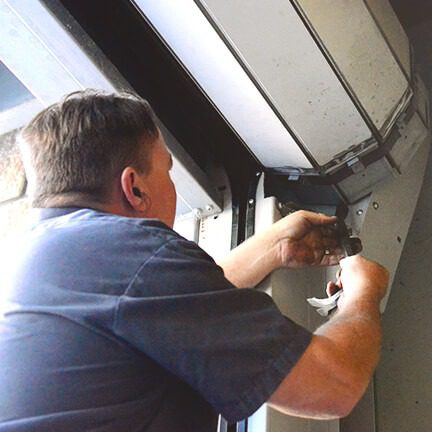
Lastly, our Medics will tighten and adjust all fasteners on the garage door and opener. We will also check the track for bends or misalignment and ensure all safety features are working properly.
Why Garage Door Maintenance Matters
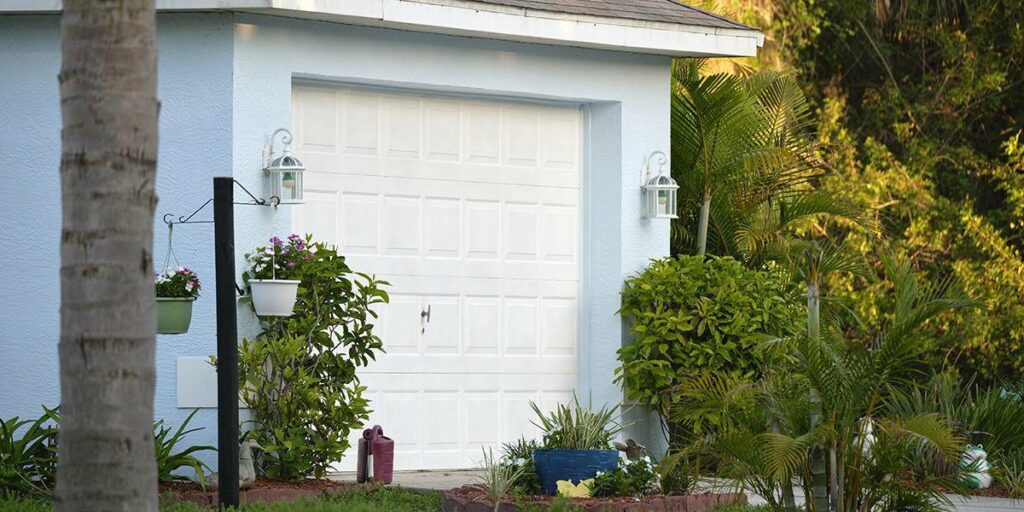
Garage doors contain dozens of moving parts that experience constant wear and tear. Springs, cables, rollers, hinges, tracks, and openers all work together to lift and lower a heavy door safely.
Without regular maintenance, these components can wear prematurely, causing problems such as:
- Noisy operation
- Slow or uneven movement
- Increased strain on the opener
- Premature spring failure
- Off-track doors
- Unexpected breakdowns
Routine maintenance helps catch these issues early, reducing repair costs and improving overall reliability.
How Often Should a Garage Door Be Serviced?
Most residential garage doors should be professionally serviced at least once per year.
However, more frequent maintenance may be beneficial if:
- The garage door is used multiple times daily
- The home has multiple drivers
- The door is more than 10 years old
- The property is located in a coastal environment where corrosion is a concern
For high-use households, a professional inspection every six months can help maximize the lifespan of the system.
Commercial garage doors generally require more frequent maintenance due to their higher usage levels.
A Simple Garage Door Maintenance Checklist
Homeowners can perform basic visual inspections throughout the year to help identify potential issues.
Monthly Maintenance Checklist
- Listen for unusual noises during operation
- Inspect rollers for wear or damage
- Check cables for fraying or corrosion
- Examine weather seals for cracking or deterioration
- Test the auto-reverse safety feature
- Observe the door for smooth, even movement
- Check remote controls and wall switches
- Inspect tracks for debris buildup
If anything appears damaged or unusual, schedule a professional inspection before the issue worsens.
What Homeowners Can Safely Do Themselves
There are several simple maintenance tasks homeowners can perform without specialized tools or training.
Lubricate Moving Parts
Applying garage-door-specific lubricant to rollers, hinges, and bearings can reduce friction and noise.
Keep Tracks Clean
Remove dirt, dust, and debris from the tracks to help ensure smooth operation.
Test Safety Features
Place an object beneath the door to verify the auto-reverse system functions properly.
Visual Inspections
Regularly inspect springs, cables, rollers, and hardware for visible signs of wear.

What Should Always Be Left to a Professional
Certain garage door components can be dangerous to service without proper training.
- Spring Adjustments and Replacement: Garage door springs are under extreme tension and can cause serious injury if handled improperly.
- Cable Repairs: Damaged cables can snap unexpectedly and should only be serviced by trained technicians.
- Track Realignment: Improper adjustments can cause the door to bind or come off track.
- Opener Repairs: Electrical components, sensors, and motor assemblies require professional diagnosis and repair.
Attempting DIY repairs on these components can create safety risks and lead to additional damage.
What’s Included in Professional Garage Door Maintenance?
A professional maintenance service goes beyond a simple visual inspection.
At GD Medics, a comprehensive maintenance visit typically includes:
Complete System Inspection
We inspect all major components, including: Springs, cables, rollers, hinges, tracks, panels, opener systems, and safety sensors
- Hardware Tightening: Libration from daily use can loosen bolts, brackets, and fasteners over time.
- Lubrication: We apply professional-grade lubricants to critical moving components.
- Balance Testing: Proper door balance reduces strain on the opener and extends system lifespan.
- Safety Testing: We verify that safety sensors and auto-reverse systems are functioning correctly.
- Opener Inspection: The opener, drive system, and controls are checked for proper operation.
- Adjustment and Fine-Tuning: Minor adjustments are made to improve performance and prevent future issues.
Common Problems Found During Maintenance Visits
Many homeowners are surprised by how often maintenance inspections uncover developing issues.
Some of the most common problems include:
- Worn Rollers: Rollers gradually wear down, causing noisy and uneven operation.
- Loose Hardware: Repeated vibration can loosen brackets, hinges, and mounting hardware.
- Spring Fatigue: Springs lose strength over time and may show signs of impending failure.
- Track Misalignment: Even slight misalignment can affect performance and increase wear.
- Sensor Issues: Dirty or misaligned safety sensors can cause inconsistent door operation.
Addressing these problems early is often far less expensive than emergency repairs.
How Maintenance Helps You Save Money
Preventative maintenance is one of the most cost-effective investments you can make in your garage door system.
Routine maintenance can:
- Reduce unexpected repair costs
- Extend the lifespan of springs and rollers
- Prevent opener damage
- Improve energy efficiency
- Reduce emergency service calls
- Delay the need for a full replacement
Maintenance Program Options
Many homeowners choose ongoing maintenance plans to keep their garage doors in peak condition.
A typical maintenance program may include:
- Annual or semi-annual inspections
- Lubrication services
- Safety testing
- Priority scheduling
- Discounts on future repairs
- Detailed condition reports
Maintenance plans help ensure your system receives regular attention without having to remember to schedule service.
How Much Does Garage Door Maintenance Cost?
The cost of maintenance varies depending on several factors, including:
- Number of garage doors
- Door size and type
- Age of the system
- Frequency of service
- Maintenance plan options
In most cases, routine maintenance costs significantly less than major repairs or emergency service calls.
Because every system is different, GD Medics provides maintenance recommendations and pricing based on your specific garage door setup and needs.
Why Choose GD Medics for Garage Door Maintenance?
Our goal is to help homeowners avoid costly repairs while keeping their garage doors operating safely and efficiently.
With every maintenance visit, we focus on:
- Thorough inspections
- Preventative care
- Safety testing
- Professional adjustments
- Honest recommendations
By identifying problems early, we help extend the life of your garage door system and reduce the likelihood of unexpected breakdowns.
Schedule Garage Door Maintenance Today
Garage Door Maintenance Program
-
What is included in a professional garage door maintenance service?
Our 25-point maintenance service includes a thorough inspection of all parts, lubrication of rollers, hinges, and springs, tightening of nuts and bolts, testing of the door’s balance, and a full safety check of the auto-reverse system. This comprehensive tune-up ensures your door is safe and reliable.
-
What are the benefits of a garage door maintenance plan?
A regular maintenance plan saves you money by preventing costly emergency repairs, extends the lifespan of your entire garage door system, and ensures your door is safe for your family. It provides peace of mind knowing that your door, the largest moving object in your home, is in perfect working order.
-
How often should I schedule garage door maintenance?
We recommend professional garage door maintenance at least once a year. Annual service helps prevent major breakdowns, extends the life of your springs and opener, and ensures your door operates smoothly and quietly. For high-usage doors, you may consider service every six months.
-
Can regular maintenance make my garage door quieter?
Yes, absolutely. A noisy garage door is often caused by worn rollers or a lack of lubrication on moving parts. During a maintenance visit, our technicians lubricate all hinges, rollers, and springs, which can significantly reduce operational noise and lead to a much quieter door.
-
Is garage door maintenance a DIY job?
While homeowners can perform basic tasks like lubricating hinges, professional maintenance is critical for safety. Our technicians are trained to safely adjust high-tension springs, test safety sensors, and spot wear and tear that an untrained eye might miss, preventing dangerous system failures.

$200 off
a new Automatic Gate Entry System
Limited time offer. Cannot combine with other offers. Valid until 12/31/2026
REDEEM
$50 off
any new Garage Door Opener
Limited time offer. Cannot combine with other offers. Valid until 12/31/2026
REDEEM
Get $100 off
a Single Door or $200 off a Double Door
Limited time offer. Cannot combine with other offers. Valid until 12/31/2026
REDEEM
$50 Off
Weather Seal Replacement with Any Repair
*Universal bottom rubber retainer only. Additional costs may apply if retainer replacement is required
Limited time offer. Cannot combine with other offers. Valid until 12/31/2026
REDEEM
$0
Service Call with Any Repair
Limited time offer. Cannot combine with other offers. Valid until 12/31/2026
REDEEM
$49
Lube and Tune with 24-Point Safety Inspection ($180 value)
Limited time offer. Cannot combine with other offers. Valid until 12/31/2026
REDEEM
Free
Up to $1,000 in additional value
Excludes polyurethane garage doors
Limited time offer. Cannot combine with other offers. Valid until 12/31/2026
REDEEM
FREE
Tune Up with Service
Limited time offer. Cannot combine with other offers. Valid until 12/31/2026
REDEEM
$99
Roller Replacement
Limited time offer. Cannot combine with other offers. Valid until 12/31/2026
redeem
As low as $39 per month
a new Garage Door
Limited time offer. Cannot combine with other offers. Valid until 12/31/2026
redeem
Free
Keypad or Remote
with New Opener Installation ($149 value)
Limited time offer. Cannot combine with other offers. Valid until 12/31/2026
redeemWhat Are Customers Are Saying
Lance was knowledgeable, professional and and a pleasure to speak with. I would not hesitate to use his services again.
Show More
Vicki JoyPowell
Lucas was extremely helpful and quickly solved our issues with a really old garage door opener. He showed us step by step how to use the app and provided overall excellent service. Highly recommended!
Show More
Elisabetta Ronchi
Hunter presented himself as a Real Pro, confident and thoroughly grasped the problem within 30 secondsand had the solution implemented within 3 minutes. He spent extra time explaining options available without any pressure and even demonstrated in detail how to apply a “fix” if the unit fails. This was First class Support – Iwill always use Garage Door Medics! High value!
Show More
vernon wyborney
Rick was very helpful gave me all the details and information i needed to repair my garage door. Thanks again Rick
Show More
David Gonzalez
Thanks again for your expertise Lance. It is always appreciated.
Show More
Michael Hinrichsen
Show More

Karen
Very pleased with our technician Lucas today. He took care of the many issues we had encountered. Thanks for coming to the rescue.
Show More
Susie Almanza
Great demeanor and excellent work
Show More
Milan Dimich
I had a GREAT experience with Alfonso from Garage Door Medics! He was respectful, kind, and professional throughout the entire visit. I especially appreciated his honesty and the way he explained what my garage door needed without making me feel pressured into unnecessary repairs. It was also thoughtful of him to call ahead and let me know he was on his way. It's always refreshing to work with someone who is knowledgeable, and also genuinely CARES about providing great customer service. Thank you, Alfonso!
Show More
Vanessa Mitchell-Delmotte
Excellent, professional work done very quickly after I booked to the appointment. I appreciated that the service person explained all of the items to be repaired and gave me a choice about what to do.
Show More
bruce belton clarinet
Lucas was helpful, honest, quick and efficient. Ever since I called Garage Door Medics, we were blown away by their professionalism and eagerness to help. I called at 8:30pm and had someone at my house just after 9 the next morning! Clear communication the whole way. We’re so happy with our entire experience.
Show More
Leigha Mispagel
Rick was very professional, accurate, knowledgeable and thorough. Great job!!
Show More
Tony Slater
You’re paying for speed and convenience with these guys, Almost $600 for 2 remotes, a key pad, 2 hinges, and lubrication. Dude was in and out in less than an hour. Thanks? 🤷🏻♂️
Show More
Abe Gonzales
Alfonso was very professional and answer all of my questions.
Show More
Ana Brito
Rick did an awesome job. Had our garage door back in action and ready for use quickly and professionally.
Show More
KayWhy GeLi
Very prompt service, technician was very skilled.
Show More
Ron Dunn
Hunter at Garage Door Medics was great to work with! He’s personable, clearly enjoys what he does, and made the whole interaction a great experience. What I appreciated most was that he explained the concerns and what to keep an eye on without any of the high-pressure sales tactics you often get from other companies. He was honest, professional, and easy to talk to, which goes a long way. It’s refreshing to work with someone who genuinely seems to care about doing a good job rather than just making a sale. I’d definitely recommend Hunter and Garage Door Medic!
Show More
K P
We need more people like Lance!
Show More
Tim
very professional explained what he was going to install and did the work in the timeline he proposed
Show More
Brock Jones
You're Garage door Technician was professional
Show More
Zennis Reece III
Ready to experience the same 5-star service?
Areas We Serve
We’re here to bring fast, reliable garage door service to homeowners and businesses in the communities we proudly serve.